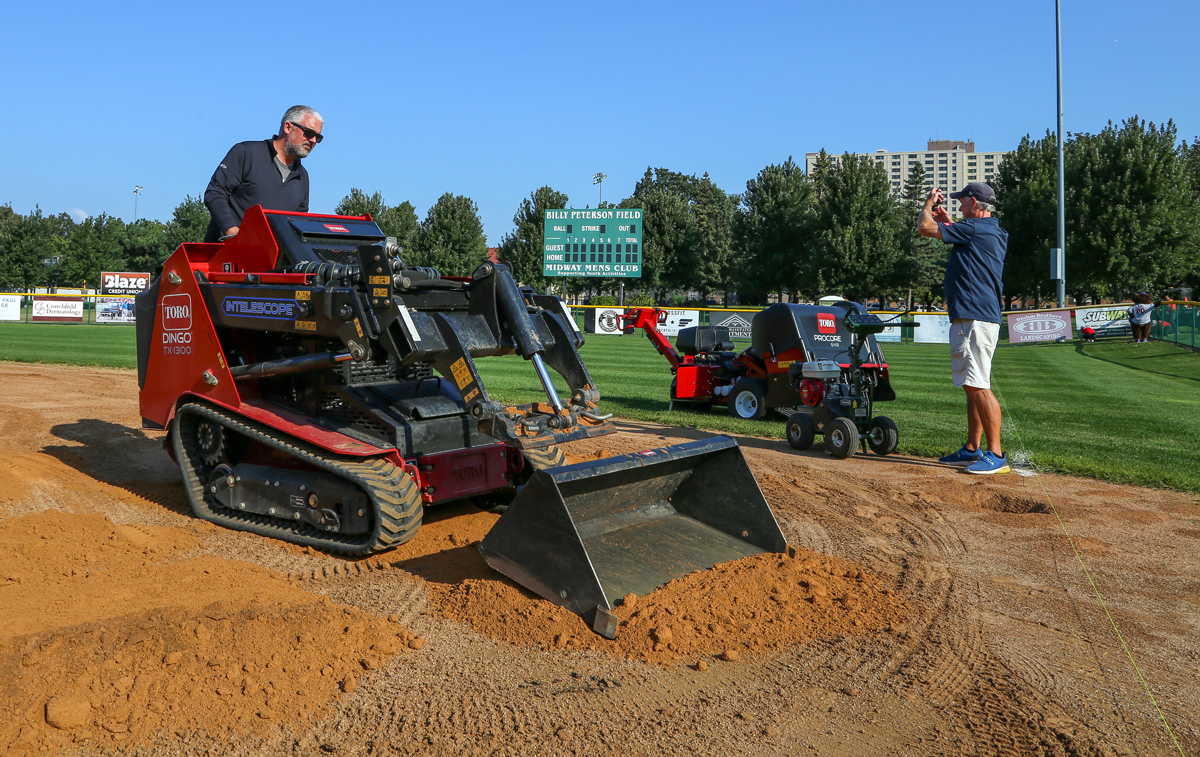
In June, Toro raised its full-year outlook slightly, saying it expects 2026 sales growth of 4% to 6.5%. Toro executives based this on their vision of strong broad demand across its professional and residential businesses, along with improving margins from its productivity initiatives. This revised outlook is due largely to strength in the Professional segment, said Toro leaders, which is now expected to grow 5% to 7% for the year. The residential sales outlook also improved, and the company now expects full-year residential sales to be about flat, despite challenging consumer confidence and inflation.
Toro delivered second-quarter net sales growth of 8% and adjusted earnings per share of $1.60, marking the company’s second consecutive quarter of double-digit adjusted earnings growth. In a statement announcing the release of its Q2 financial results, Chairman and Chief Executive Officer Rick Olson said the results were driven by “strong demand and improving margins” despite macroeconomic and geopolitical headwinds and higher inflationary pressures.
Highlights
- Total Q2 sales were $1.42 billion, up 8.1%, or 5.7% organically.
- Adjusted operating margin rose 70 basis points to 14.4%.
- The Professional segment generated net sales of $1.1 billion, up 9.1%, or 6% organically, despite the manufacturer reporting increases in material costs.
- In the Residential segment, net sales were $310 million, up 4.1% organically, despite rising costs in material, manufacturing and freight.
Pro sales growth

Professional segment growth, the company reported, was led by growth in landscape contractor sales, followed by golf and grounds activity. The company said its field inventory for landscape contractor and residential products is somewhat below desired levels.
Homeowner sales normal
Residential segment net sales grew 4% in the quarter after the company worked through higher field inventories in prior periods, a sort of return to normal for Toro with high demand, according to Olson.
Toro said net tariff impact on fiscal 2026 guidance is expected to be minimal. He said the company now estimates gross tariff expense of $120 million, up from a prior $100 million estimate, but expects about $20 million in refunds during the fiscal year.
Toro said it expects to accrue about $8 million of the anticipated refund in the third quarter, with the remainder in the fourth quarter. The Trump administration, meanwhile, continues to make the case against payment of refunds. While the federal government has disbursed billions of dollars to companies this summer, the administration is attempting to limit further payouts to companies that have filed lawsuits. We have seen no public record of The Toro Company filing a lawsuit for tariff relief.


Leave a Reply